
In Conversation with Sharon Southcott: ISP Endorsement and the Future of Professional Sales
In Conversation with Sharon Southcott: ISP Endorsement and the Future ofProfessional Sales
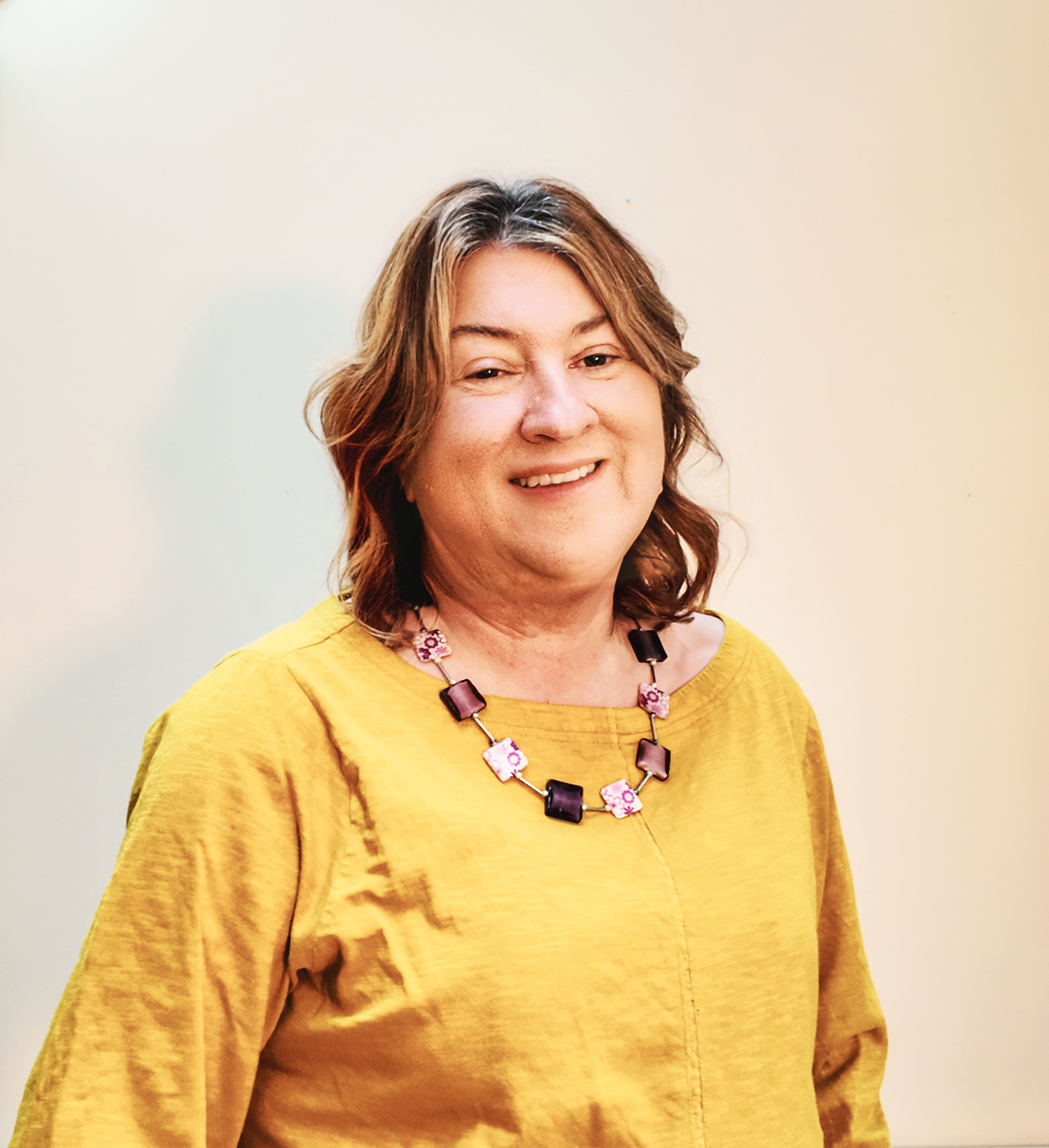
Sharon Southcott is the Founder, Director and Lead Tutor at Strategic Professionals. We sat down with her to discuss their recent ISP endorsement and what it means for organisations serious about developing their sales capability.
What is the ISP?
The ISP is the Institute of Sales Professionals. It's a standards body and an awarding body for qualifications, but it's also a membership body for the sales profession. Essentially, the ISP is a seal of quality for the sales profession across the world.
Why was it important for Strategic Professionals to be endorsed by the ISP?
I think sometimes the sales profession gets a bit of a bad reputation. What the ISP does is provide a seal of quality. For us, our values are all about quality and authenticity, so our values are aligned with the ISP. It's big on ethics, professionalism and integrity. It's not about quick sales or just the numbers game. It's about people.
And talking of people, the people who work at the ISP, you can clearly see they've got those same values. We're aligned.
Why do you feel this kind of endorsement is needed now more than ever?
The sales landscape is changing. People want to work with people, and they want to partner with people. For true sales effectiveness, it's not just about selling something and hitting the numbers anymore. It's about understanding customers and working in partnership to find solutions.
For us to offer sales courses that have been endorsed by the ISP means they've had that quality stamp. They've rigorously looked at our processes and procedures. We're not just some motivational sales trainers.They've looked at our processes, and we've met the criteria on ethics, on wellbeing, on credibility of learners, on quality of delivery. Our trainers have been scrutinised by them. We're really proud to have earned that endorsement.
You've had two courses endorsed. Who are they for?
We do many sales courses, but what we've tried to do is provide two courses that satisfy the needs of the majority of salespeople.
The first one is for business-to-business salespeople. We've got core units and optional units so they can be for anybody at any point in their career, but it is focused on B2B sales. It's not about the mechanics of selling, there's no role play or anything like that. It's about looking at how to work with other stakeholders to improve sales. It's about commercial awareness, managing your workload, and thinking about the salesperson on their journey of development.
It's tied very strongly to the values of an organisation. It's about having ethics, integrity, and looking at the behaviours of a salesperson.
The second course is about sales leadership. We're very conscious that a lot of sales leaders have been very good at sales. They've developed their career through sales, but now they're in charge of the sales strategy and responsible for a sales team, but where did they ever get any training on that?
It's about leadership mindset and making that shift. It's about coaching salespeople. It's about commercial awareness and delivering a sales strategy. Instead of being operational, it's looking at things more strategically, but doing all that with integrity and ethically.
What does the B2B sales course actually look like in practice?
It's made up of nine modules. We've made them short, only half days, because we don't want to take salespeople off the road for a whole day.
It's very conversational. It's not death by PowerPoint. It's using real-life examples that they might have. And it's not the basics of selling. It's getting them to look at why they do things and the impact of their actions and behaviours on others.
The course is about developing them as a salesperson, not just developing the sales skill. It's developing the whole person as opposed to just the sales mechanics.
How does the leadership course differ?
The leadership one is more strategic. It's looking at developing a sales plan and being able to deliver on that plan. It's looking beyond the numbers and at how you can develop your sales team. It's about looking wider in terms of your organisation and how it fits with the larger macro environment, taking a look at your industry and looking at opportunity.
It's about leadership mindset and being a leader as opposedto a sales manager.
How many people would typically go through these courses?
It depends on the size of your sales force, really. On the B2B course, if you've got a small sales force, you could have four to six people. Or you could have up to ten. On the leadership one, it depends if you've just got a national sales manager or a sales director, you might just want to put one person on it and it's more of a one-to-one course.
Or if you've got different heads of sales, somebody heading up national accounts, somebody heading up sales, somebody heading up contracts,then you could have three people on it.
But they're not mass scale because we need to have that conversation. We need to be able to discuss things. You wouldn't have more thanten people on a course.
What difference will organisations see once their team has been through the B2B course?
There's a couple of things. One, it will embed the ethics and values of the sales profession, and it will look at wider issues such as getting them to think about the commercial aspect and buyer behaviour and how that's changing massively.
Buyers are changing in their psychology and their personality. And to look at how their personality as salespeople impacts onothers. It helps with the culture within the organisation because it's about working with internal departments cross-functionally. It's about working as a team, a wider team, in order to make those sales.
Another thing it does is polish the delivery of sales. Get them to think about the different audiences that they've got. It's not about thinking about the products or services anymore, it's about looking at what issue your customers have got and how you can solve that issue with your products and services, but also with your personality and what you can bring tothe table.
I'd like to see a transition of someone coming on this course where they are more mindful, they've built their emotional intelligence,and they are thinking wider than just transactional selling. And we've embedded the ethical values and got them to think about the values of their organisation.
What are the risks for organisations who don't invest in this kind of development?
They can become very numbers-focused, which can be quite short-term. They don't often think for the long term. They think about what the current numbers are going to be, but that's not necessarily how buyers in B2B are viewing it. There's a misalignment sometimes with that.
Sometimes it's a longer game that you've got to play, and they don't see that and they don't think wider. They become, if they've been with their organisation for quite a while, very blinkered rather than thinking, "Well, what could we do?". Alternatively, if they're new into sales, they can become very focused on just the transaction as opposed to building the commercial relationship and aligning values.
Is that also why the leadership course matters, because sometimes the pressure comes from above?
Exactly. Sales leaders need to look at the people. Things have changed in the world since COVID and the way that people have developed this work-life balance. Things have changed, not just for the salespeople, but for the customers as well.
I think it's about understanding that there are more than one way to get a sale. It's about looking at the context and the environment that you're in, and then adapting your sales technique to that environment.
From what I've seen in some situations, sales are very transactional, and opportunities are missed. Professional selling has got to be about solution selling, working with people, and partnering with customers, not just finding out what they need and providing them a service or product. It's about partnering them for the long term.
Sometimes sales targets and sales strategy doesn't allow for that.
Why does this work best when organisations invest in both sales and leadership development together?
If you've got a different opinion at leadership level and a different opinion at sales level, then you're going to get conflict. If you change your sales leaders and your salespeople don't understand why they're being asked to do things, then again you get conflict.
Really, I would say you would need to do both. For instance,a client that we've got at the moment, they're doing three levels. They're doing their internal sales team, they've got their BDMs, and they've got their sales leadership team. They're trying to get a consistent message across all three in order to improve sales, because all three levels need the same message running through to align them all.
Who is this ideal for right now?
One client that we're working with who we are running the endorsed courses with, they deal with a lot of vulnerable people. Ethics has tobe at the forefront of everything that they do. To have their salespeople go through an ISP-endorsed course gives them credibility. It cements the values that they're not just putting salespeople on the road, they are putting highly professional, ethical salespeople or business development people out there.They're stacking the people development up with their values and aligning with those values.
There's a lot of very skilled salespeople out there, but do those people align with your values? The ISP courses, the endorsed courses,ensure that they go that extra mile to add the quality of a professional salesperson.
What would make an organisation well positioned for theseprogrammes?
If you've got a culture that's about caring for your employees and also caring for your customers and being highly ethical, then you would put your salespeople through this ISP-endorsed course. Because it's much more than the process of sales.
It's holistically developing the salesperson to align with your culture and your values. Because every salesperson that you send out on the road is a reflection of your organisation and your brand. You invest inthem, not just in the process, you invest in them as a person being an extension of the company's brand.
What does it mean for an organisation to say theirsalespeople have completed an ISP-endorsed programme?
Credibility. It's showing that these are professional people. They're not just people who can talk the talk. They are people who lookat things from a wider perspective. This is a profession and it's a careerjourney.
I think it differentiates. It shows that the organisation is ethical, can be trusted, and that they develop people.
What about the people delivering these courses? Why does that matter?
Nobody on the team delivers anything that they haven't got experience in. I've got a sales and marketing background. I'm a former national account manager. I'm qualified, I've got sales qualifications in national management, and I used to teach on the postgraduate degree course at Coventry University. I was responsible for the sales management unit.
I'm a big believer in professional sales. I've worked withthe ISP for many years as well, partnering them on some of their apprenticeships and other projects they've been doing.
We've also got one of our trainers who is a sales director. He's got a fierce shift in B2B, and again, very passionate about people development and puts it across in a very down-to-earth way.
We've also got a member of the team whose background is as an internal sales trainer, so they're very good at some of the communication skills needed for sales. And we've got a former BDM and account manager as well.
They've been out there. As well as having the qualifications to back it up, the majority of our trainers are qualified trainers holding either SETAD or teaching qualifications.
Why was it important to you that nobody delivers this course unless they've actually lived the reality of sales?
Because you can't teach what you don't know. You can deliver content, but you can't bring the reality, the nuance, the real-world challenges unless you've been there. Our trainers know what it's like to miss a target, to have a difficult conversation with a customer, to navigate internal politics,to balance ethics with commercial pressure.
That lived experience is what makes the difference between a course that sounds good and a course that changes how people work.
If someone is reading this and thinking "this aligns with how we want to sell and who we want to be," what should their next step be?
Get in touch. We can have a conversation about your requirements, and then hopefully we'll work together.
Strategic Professionals is an ISP-endorsed provider specialising in sales development and leadership programmes for B2B organisations committed to professionalism, ethics and long-term value.
To explore whether these programmes are right for your organisation, contact Sharon Southcott and the team at:
www.strategicprofessionals.co.uk
